Blog
Safer Sanitary Waste Handling and Disposal in Nairobi: A Complete Guide by Nomacare

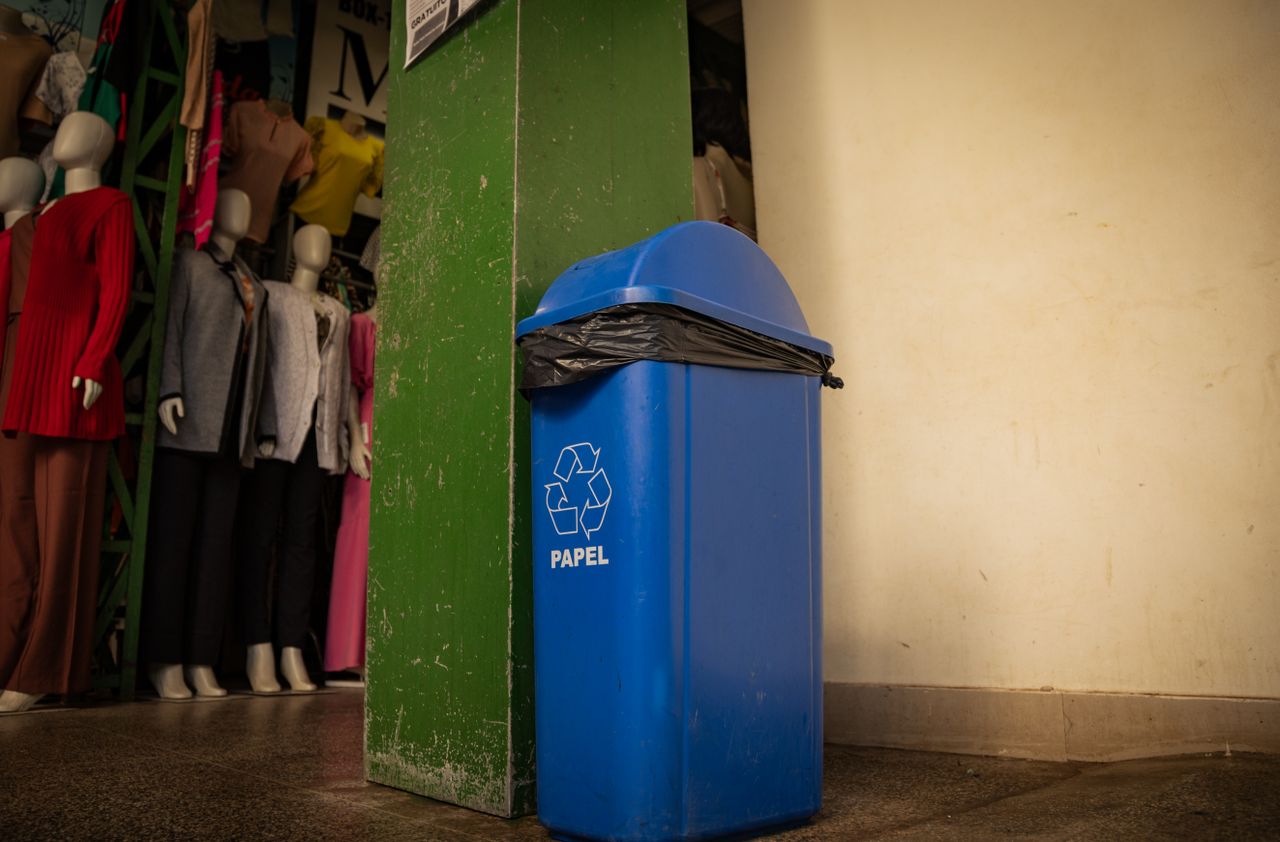
Every office, school, hotel, restaurant and public building in Nairobi has one thing in common: washrooms that need to stay clean, safe and hygienic. A major part of that is how sanitary waste is handled and disposed of. Used sanitary pads, tampons, diapers, wipes and similar items may seem small, but when they are handled poorly they can spread germs, block drainage, create odours and put cleaners and waste handlers at risk.
In this guide, Nomacare explains what sanitary waste is, why safe handling and disposal matter, the mistakes to avoid and how professional sanitary services can protect your people and your premises.
What Is Sanitary Waste?
Sanitary waste is waste produced from personal hygiene. It typically includes:
- Used sanitary pads and tampons
- Baby and adult diapers
- Incontinence products
- Wet wipes and tissues used for personal hygiene
- Related washroom waste
Because this waste can contain bodily fluids, it should be treated as hygiene-sensitive and managed carefully, not mixed with ordinary rubbish or flushed down the toilet.
Why Safe Sanitary Waste Handling and Disposal Matter
1. Protecting Health and Preventing the Spread of Germs
Used sanitary products can carry bacteria and other germs. When they are left in open bins, overflowing containers or poorly handled, they can contaminate surfaces and put staff, cleaners and users at risk. Safe containment and regular removal reduce that risk.
2. Protecting Dignity and Comfort
A clean, well-serviced washroom with a proper sanitary bin shows respect for the women and girls who use it. In workplaces and schools, this supports comfort, confidence and attendance.
3. Preventing Blocked Drains and Costly Plumbing Repairs
Flushing sanitary pads, tampons, diapers or wipes is one of the most common causes of blocked toilets and sewer lines. Providing proper bins and regular servicing helps avoid expensive plumbing emergencies and unpleasant overflows.
4. Controlling Odour and Pests
Improperly stored sanitary waste causes bad smells and can attract flies, cockroaches and rodents. Sealed bins, regular collection and hygiene treatments keep washrooms fresh and help prevent pest problems.
5. Protecting the Environment
Dumping sanitary waste in open areas or drains pollutes the environment. Responsible collection and disposal keep it out of the places where it can do harm to communities and water sources.
6. Meeting Your Legal and Professional Responsibilities
Businesses and institutions in Kenya are expected to manage waste responsibly and to provide safe, hygienic washrooms for staff and customers. Waste handling in Kenya falls under environmental regulations overseen by authorities such as NEMA, so it is wise to work with a provider that understands current requirements.
Common Mistakes in Sanitary Waste Handling
Avoid these frequent problems:
- Flushing sanitary products down the toilet, which blocks pipes
- Using open bins without lids, which spreads odour and germs
- Letting bins overflow because collection is irregular
- Mixing sanitary waste with general or kitchen waste
- Handling waste without gloves or proper protection
- Not providing bins in every cubicle, so users have nowhere to dispose
- Using untrained or unlicensed people to collect and dispose of waste
Best Practices for Safe Sanitary Waste Disposal
- Provide a covered sanitary bin in every female washroom cubicle, ideally with a lid that can be operated without touching it.
- Place clear signs telling users not to flush sanitary products.
- Service bins on a regular schedule, weekly or as often as usage demands.
- Use sealed liners and secure containers so waste is contained during removal.
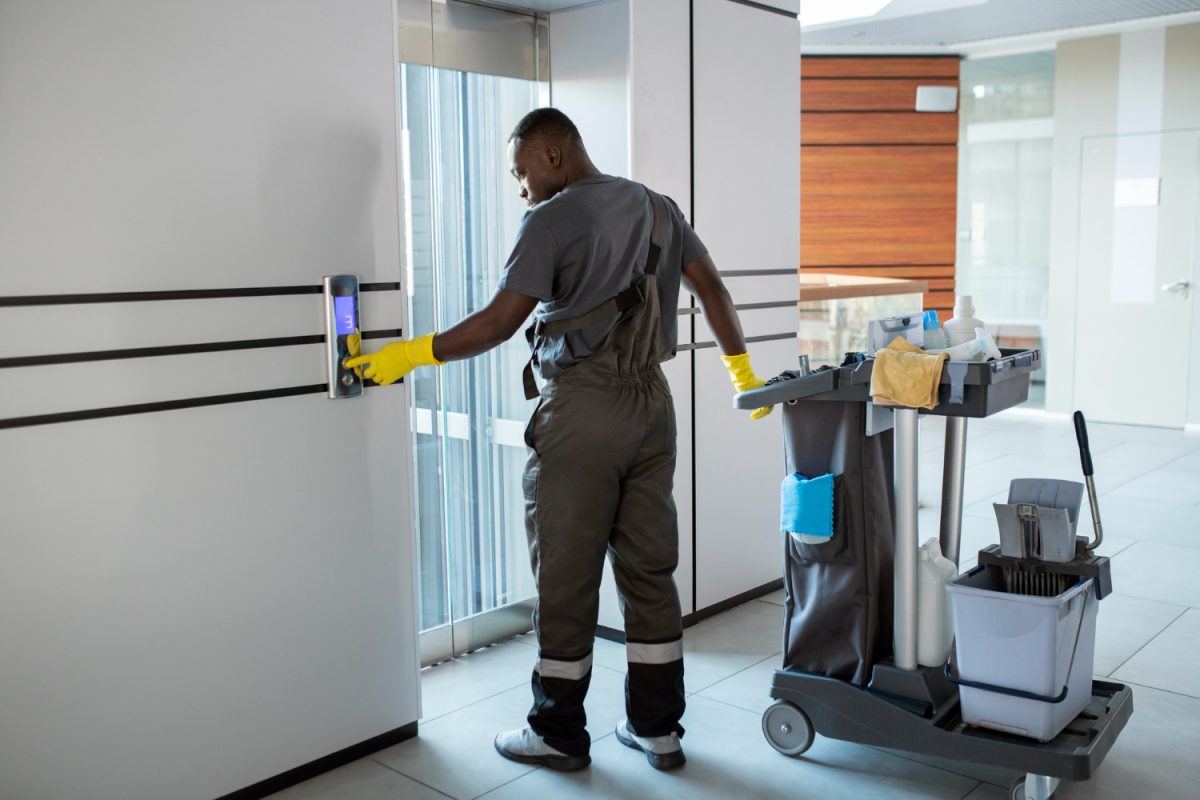
- Have trained staff wear protective gloves and follow hygiene procedures.
- Clean and disinfect bins at each service to control germs and odour.
- Dispose of the waste through an approved, responsible route, not in open dumps or drains.
- Keep records of service visits, especially for businesses and institutions that need to show compliance.
How Professional Sanitary Services Help
Managing sanitary waste in-house often falls to cleaners who may not have the training, equipment or time to do it safely. A professional sanitary services company takes over the entire process.
A reliable provider will typically offer:
- Supply and installation of sanitary bins
- Scheduled servicing and waste collection
- Bin cleaning, disinfection and odour control
- Safe transport and disposal of collected waste
- Flexible service plans for small offices, schools, hotels, hospitals and large facilities
- Support with hygiene and pest control, since clean washrooms and pest prevention go hand in hand
Why Choose Nomacare for Sanitary Services in Nairobi?
Nomacare helps homes, businesses and institutions across Nairobi keep their spaces clean, safe and healthy. When it comes to sanitary waste handling and disposal, our approach is built around hygiene, reliability and respect for the people who use your facilities.
With Nomacare, you can expect:
- Trained and professional staff who follow safe handling procedures.
- Reliable, scheduled service so bins are never left overflowing.
- Hygienic, odour-controlled washrooms that leave a good impression on staff and visitors
- Responsible disposal of collected waste.
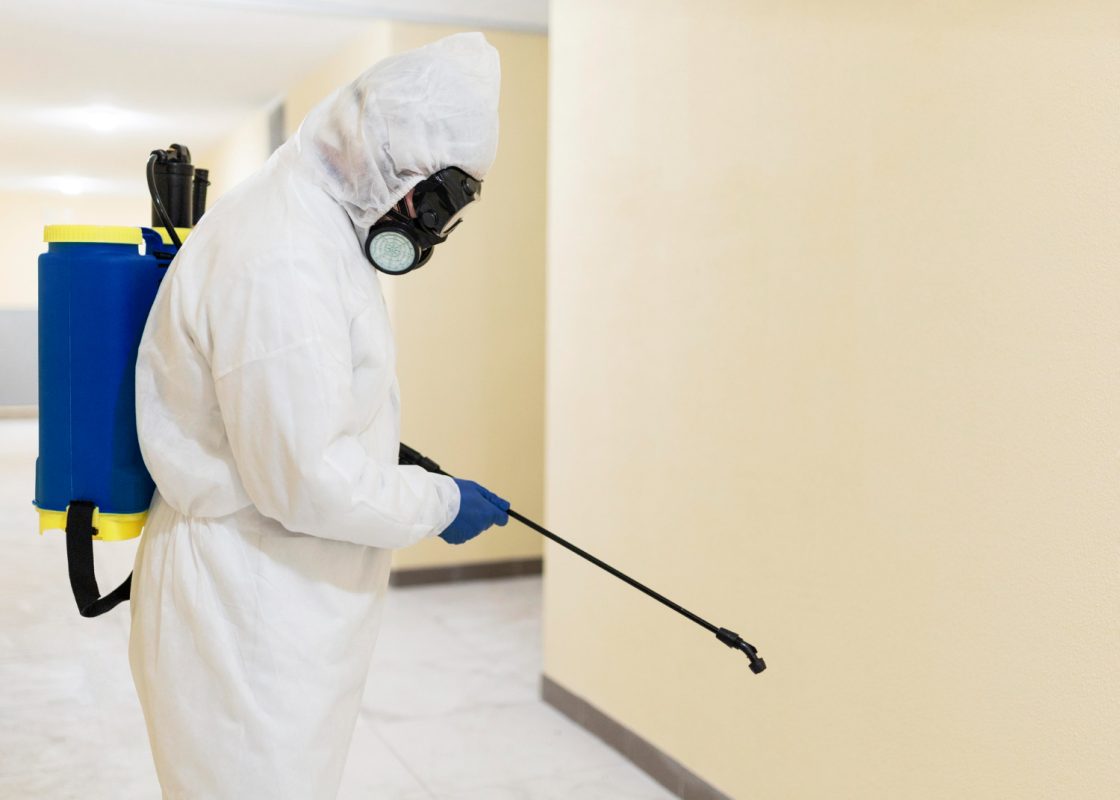
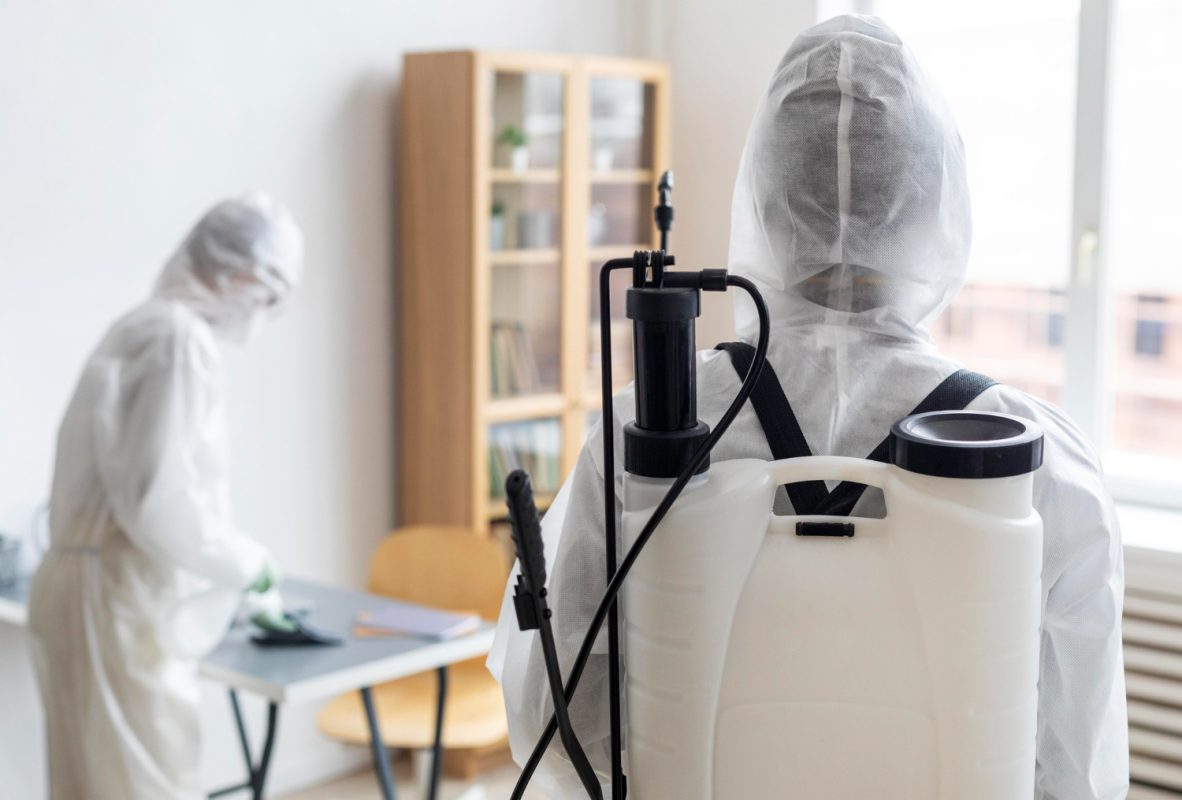
- Integrated hygiene support, including fumigation and pest control services, so your premises stay protected from every angle.
- Clear, fair pricing and service plans that fit your premises and budget
Whether you manage a single office floor or a large institution, Nomacare can design a sanitary service plan that keeps your washrooms safe, clean and compliant.
Who Needs Sanitary Waste Disposal Services?
- Offices and corporate buildings
- Schools, colleges and universities
- Hotels, lodges and restaurants
- Hospitals, clinics and care homes
- Shopping malls and supermarkets
- Factories, warehouses and industrial sites
- Churches, event venues and public facilities
- Residential estates and property managers
Tips for Facility Managers and Business Owners
- Count your female users to work out how many bins you need
- Agree a fixed servicing schedule and review it if usage changes
- Train your cleaning team on correct handling and hygiene
- Place reminders in washrooms about not flushing sanitary items
- Combine sanitary services with regular pest control to keep washrooms free of insects and rodents
- Ask your provider about records of each service visit
Frequently Asked Questions
What is sanitary waste disposal?
It is the safe collection, storage, transport and disposal of used sanitary products such as pads, tampons and diapers, so they do not harm health or the environment.
Can sanitary pads be flushed down the toilet?
No. Pads, tampons, wipes and diapers do not break down like toilet paper and are a leading cause of blocked drains and sewer lines. Always use a sanitary bin.
How often should sanitary bins be serviced?
It depends on how many people use the washroom. Many workplaces choose weekly or fortnightly service, while busy venues may need more frequent visits. Nomacare can recommend a schedule after assessing your premises.
Who is responsible for sanitary waste in a business?
The business or building owner is generally responsible for ensuring waste is handled safely and hygienically, which is why many organisations outsource to professional sanitary services providers.
How much do sanitary bin services cost in Nairobi?
Cost depends on the number of bins, how often they are serviced and the size of your premises. Contact Nomacare for a clear quote.
Does Nomacare also offer fumigation and pest control?
Yes, Nomacare provides fumigation and pest control services alongside sanitary services, which helps keep washrooms and buildings hygienic and pest-free.