Blog
Disinfection and Sanitisation Services in Nairobi: Protecting Your Home and Business with Nomacare

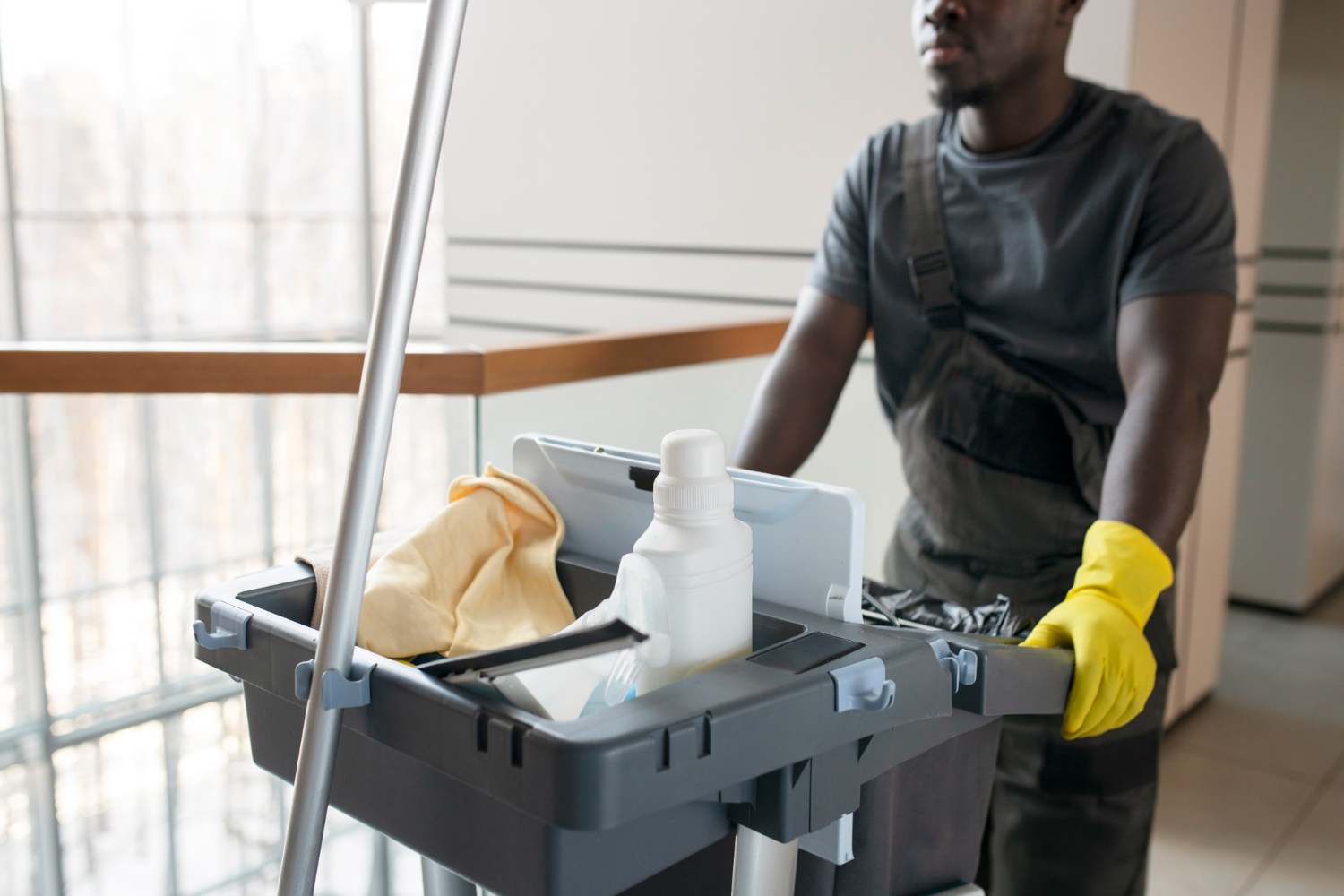
We touch hundreds of surfaces every day: door handles, lift buttons, desks, phones, kitchen counters, steering wheels and shared washrooms. Many of these surfaces carry germs that cannot be seen, and in busy places like Nairobi’s offices, schools, hotels, restaurants and apartment blocks, those germs can spread quickly.
That is why professional disinfection and sanitisation services are one of the most important parts of sanitary services. In this guide, Nomacare explains what these services are, why they matter, how the process works and how to choose the right provider in Nairobi.
What Are Sanitary Services?
Sanitary services cover the professional cleaning, hygiene and pest-prevention work that keeps a building safe and healthy. They typically include cleaning, disinfection and sanitisation, fumigation and pest control, and waste and washroom hygiene support.
This article focuses on one key part: disinfection and sanitisation. Nomacare provides sanitary services for homes, offices and commercial properties across Nairobi. [Add Nomacare’s exact disinfection and sanitisation services here.]
Cleaning, Sanitising and Disinfecting: What Is the Difference?
These three words are often used as if they mean the same thing, but they do not.
- Cleaning removes visible dirt, dust and grime from surfaces. It does not necessarily kill germs.
- Sanitising lowers the number of germs on a surface to a safer level.
- Disinfecting uses specific products to kill most germs on a surface, and it works best on surfaces that have already been cleaned.
For the best protection, professionals combine all three: clean first, then sanitise or disinfect, using the right product and contact time.
Why Disinfection and Sanitisation Matter in Nairobi
1. Reduces the Spread of Germs
Bacteria, viruses and fungi can survive on surfaces for hours or longer. Regular disinfection of high-touch areas helps reduce the chance of infections spreading among family members, staff, students and customers.
2. Protects Vulnerable People
Children, the elderly, pregnant women and people with weak immune systems are at higher risk from germs. Schools, daycare centres, clinics and homes with vulnerable occupants benefit most from regular treatment.
3. Supports a Healthier Workplace
Fewer germs mean fewer sick days and a more productive team. Regular sanitisation shows staff that their health matters.
4. Meets Hygiene Expectations
Restaurants, hotels, food processors, hospitals and schools are expected to maintain high hygiene standards. Professional disinfection helps businesses stay on top of those expectations and prepare for inspections.
5. Builds Customer Trust
A clean, well-sanitised space tells customers and visitors that you care about their safety. In competitive industries, that trust is valuable.
6. Controls Odours and Mould-Related Problems
Some disinfection treatments help reduce odours caused by bacteria and damp areas. Combined with good ventilation and repairs, this keeps spaces fresher.
7. Works Well with Pest Control
Unclean, damp conditions attract pests, and pests carry germs. Pairing sanitisation with fumigation and pest control gives you stronger, longer-lasting protection.
Disinfection and Sanitisation Services Offered by Professionals
Surface Disinfection
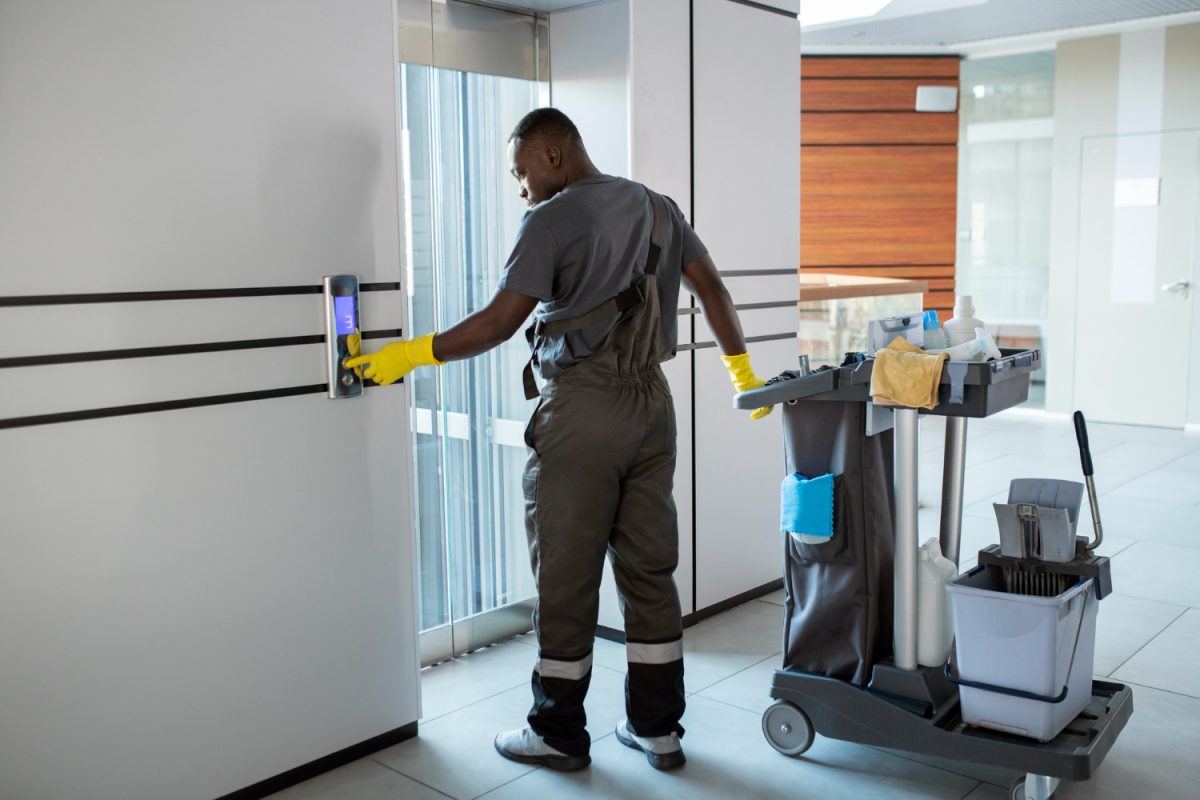
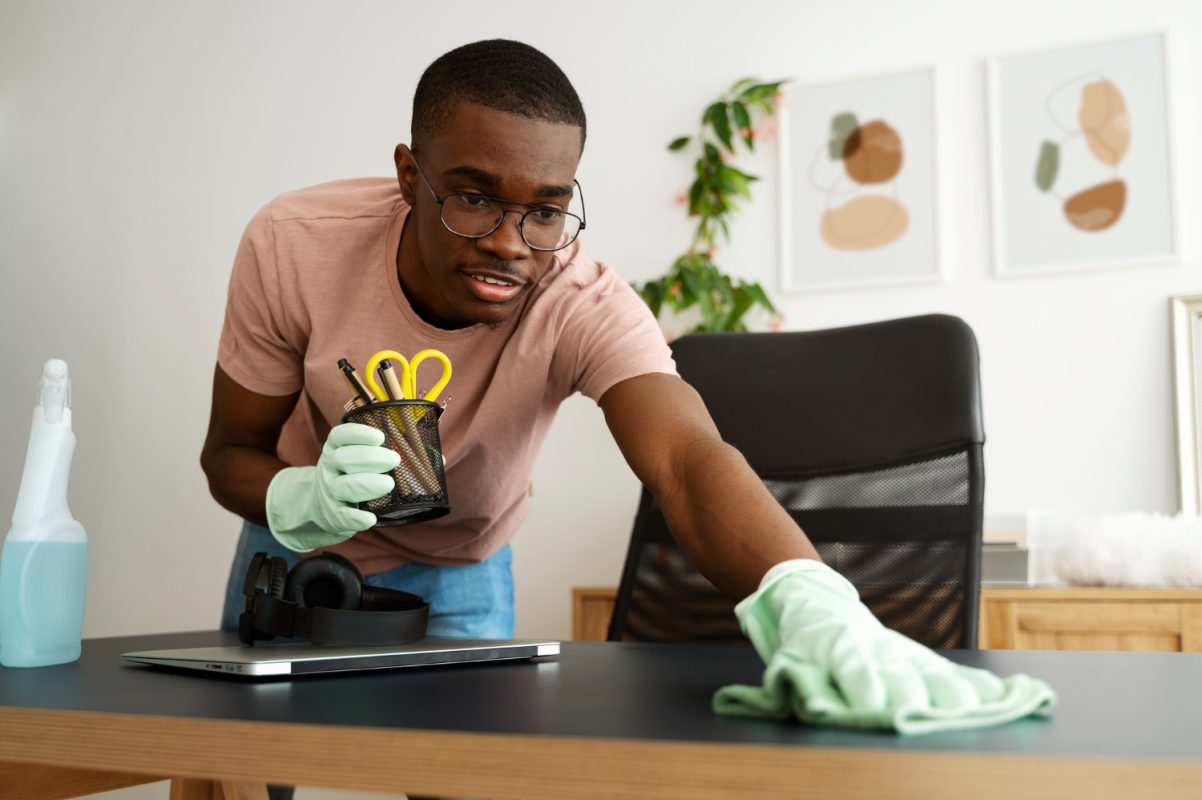
Technicians treat desks, counters, handles, switches, rails, chairs and other frequently touched surfaces using approved disinfectants.
Fogging and Misting
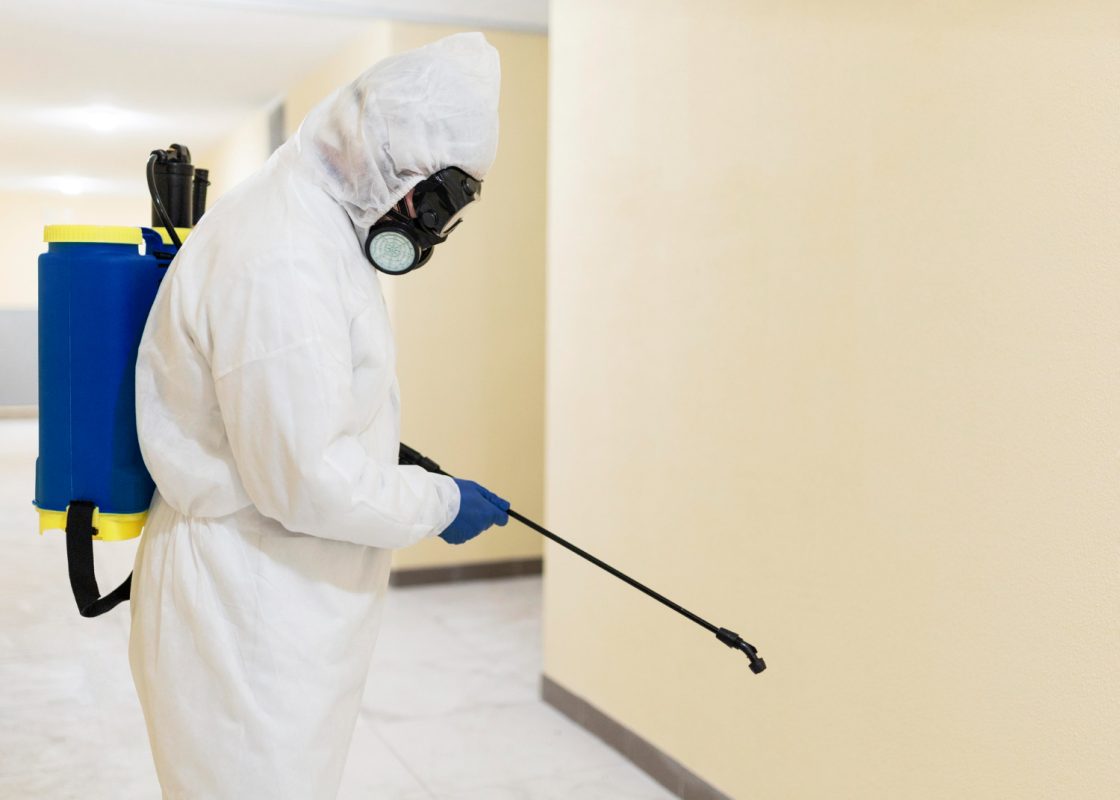
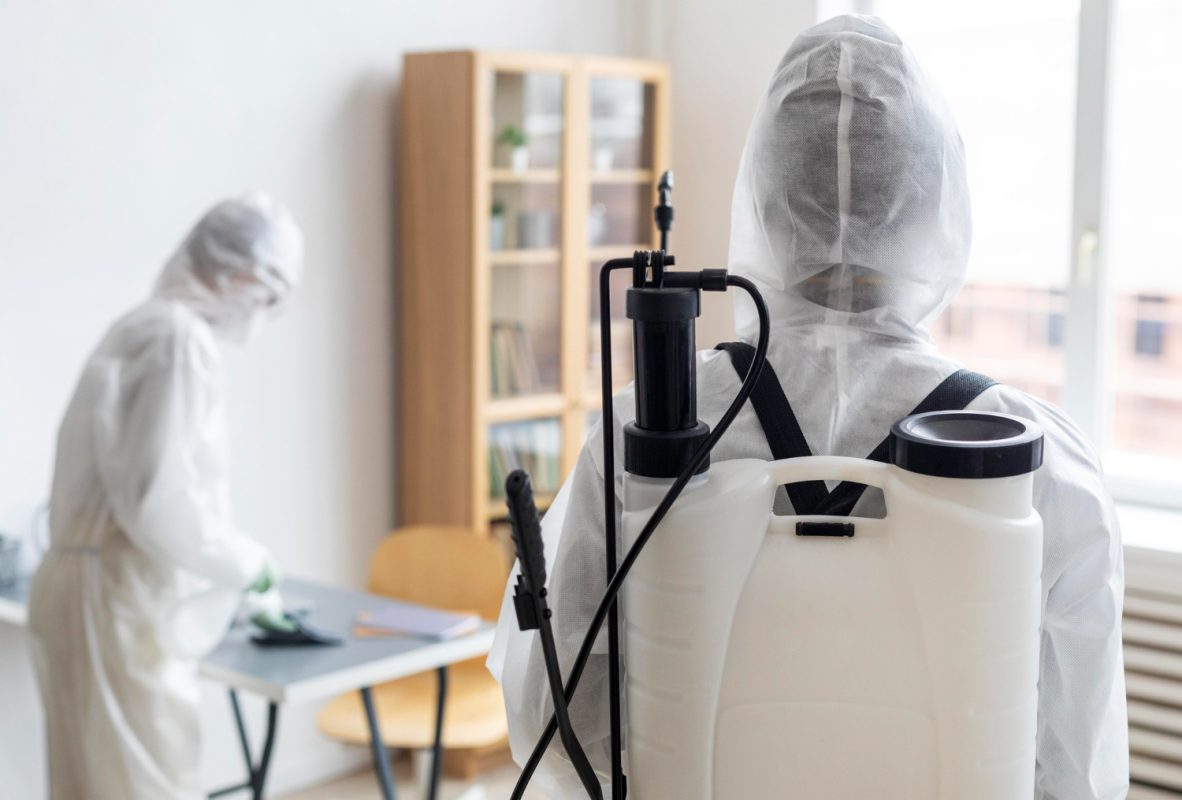
Fogging and misting spreads a fine disinfectant mist through a space, reaching corners, vents and hard-to-reach areas that manual wiping can miss. It is popular for offices, classrooms, vehicles and large halls.
Washroom Sanitisation
Washrooms are among the highest-risk areas for germs. Professional treatment covers toilets, sinks, taps, floors, partitions and fittings.
Kitchen and Food Area Sanitisation
Restaurants, canteens and food businesses need food-safe sanitising routines to protect customers and meet hygiene standards.
Vehicle Sanitisation
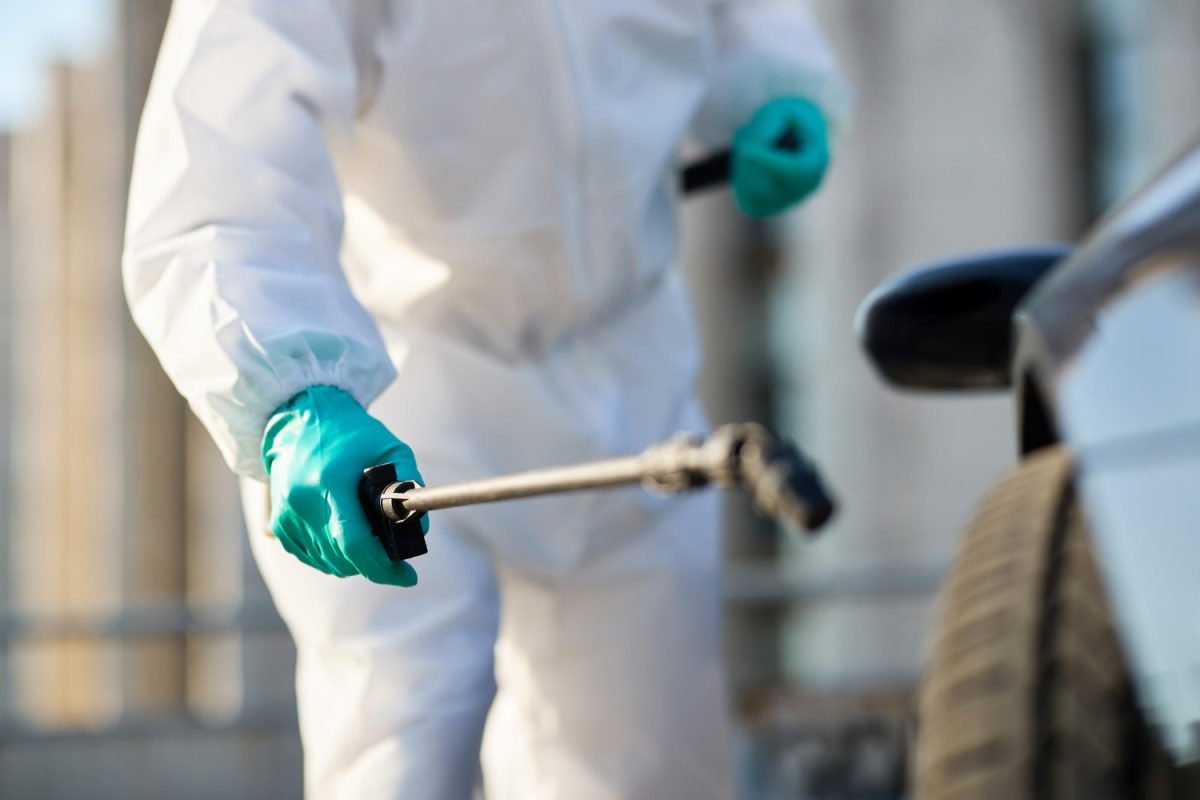
Matatus, buses, taxis, staff vehicles and personal cars are shared, high-touch spaces that benefit from regular treatment.
Post-Illness and Post-Event Disinfection
After an illness in a household or workplace, or after a large event, a thorough disinfection helps reset the space.
Scheduled Sanitisation Plans
Regular treatment weekly, monthly or quarterly gives continuous protection and is easier to budget for. [Confirm Nomacare’s service plans.]
Who Needs Professional Disinfection Services?
- Homes and apartments, especially with children, elderly relatives or people with allergies
- Offices and corporate buildings with shared desks, meeting rooms and washrooms
- Schools, colleges and daycare centres
- Hospitals, clinics and laboratories
- Restaurants, hotels, cafes and food businesses
- Supermarkets, shops and malls
- Gyms, salons and spas
- Warehouses, factories and transport companies
- Landlords and property managers preparing units for new tenants
How Professional Disinfection Works
The exact steps depend on the space, but a typical Nomacare visit follows this pattern:
- Inspection and consultation: We assess the premises, the usage level and any areas of special concern.
- Planning: We recommend the right treatment and schedule for your space.
- Preparation: Sensitive items such as food, electronics and documents are protected or moved, and people and pets are asked to leave the area if needed.
- Cleaning of surfaces: Visible dirt is removed so the disinfectant can work properly.
- Application: Approved disinfectants are applied by wiping, spraying, fogging or misting.
- Contact time: The product stays on the surface long enough to be effective.
- Ventilation and re-entry guidance: We advise when it is safe to return and how to air out the space.
- Follow-up: We advise on a maintenance schedule. [Add details of any follow-up or reports you provide.]
Safety Matters: Why Use Trained Professionals
Disinfectants are strong products. Using the wrong chemical, the wrong amount or poor ventilation can cause irritation, breathing problems or damage to surfaces. Mixing certain household chemicals can even release dangerous fumes.
Trained professionals know:
- Which product suits which surface and which environment
- The correct dilution and contact time
- How to protect food, equipment, children and pets
- When it is safe to re-enter the space
- How to treat high-touch areas thoroughly without overusing chemicals
Nomacare puts safety first on every job. [Add details about your products, staff training, protective equipment and any registrations or approvals.]
Why Choose Nomacare for Disinfection and Sanitisation in Nairobi?
- Experienced team: [Add years of experience and team background.]
- Right method for each space: Homes, offices, schools and food premises all need different approaches.
- Safe, suitable products: Chosen for effectiveness and safety.
- One trusted provider: Sanitisation, fumigation and pest control from one company. [Confirm and adjust to your actual services.]
- Clear, honest pricing: Quotes that explain what is included.
- Respectful, punctual service: We work around your schedule and protect your property.
- Ongoing support: Advice and maintenance plans to keep your space protected.
At Nomacare, we believe a cleaner space is a safer space, and we are here to help you keep yours that way.
Tips to Keep Surfaces Hygienic Between Professional Visits
- Clean and disinfect high-touch areas such as handles, switches and phones every day
- Wash hands often with soap and water
- Keep washrooms stocked with soap, tissue and clean towels
- Take out rubbish regularly and keep bins covered
- Ventilate rooms by opening windows
- Fix leaks and damp patches quickly
- Never mix different cleaning chemicals
How to Choose a Disinfection Service Provider in Nairobi
Before you hire, ask:
- How long have you been providing sanitary services in Nairobi?
- What products do you use, and are they suitable for my space?
- Are your technicians trained and equipped with protective gear?
- Will you inspect the premises before quoting?
- What safety and re-entry instructions will you give?
- Do you offer regular service plans?
- Can you share references or reviews?