Blog
Fumigation and Pest Control in Nairobi: Keeping Your Family, Staff and Pets Safe

Pests in your home or workplace are stressful, but for many people the next worry is just as big: “Is fumigation safe for my children, my staff and my pets?”
It is a fair question. Fumigation and pest control involve products designed to kill pests, so they must be handled with knowledge and care. The good news is that when treatment is done by trained professionals, using approved products and following proper procedures, it can be carried out safely and effectively.
In this guide, Nomacare explains how fumigation and pest control safety works, how to prepare your space, and what to do before, during and after treatment to protect the people and animals you care about.
Why Safety Matters in Fumigation and Pest Control
Pests are a health risk in themselves. Cockroaches and rodents can contaminate food and surfaces, bed bugs disturb sleep and cause skin irritation, and mosquitoes and flies are linked to several illnesses. Leaving an infestation untreated is not safe.
But treating it the wrong way is also risky. Incorrect product choice, wrong dosage, poor ventilation or ignoring re-entry instructions can expose people and pets to harmful substances. Children, older adults, pregnant women, people with asthma or allergies, and pets are generally more vulnerable. That is why professional, careful treatment matters.
Is Fumigation Safe? The Honest Answer
Fumigation can be safe when it is planned and carried out correctly. Safety depends on four things:
- The right product for the pest and the property
- The right application method and dosage
- Proper preparation of the space before treatment
- Following re-entry and ventilation instructions afterwards
In Kenya, pest control products are regulated by the Pest Control Products Board (PCPB). Using registered products and trained technicians is a key part of safe pest control. Nomacare follows a safety-first approach on every job. [Add details of Nomacare’s registered products, technician training and safety procedures here.]
Why DIY Pest Control Can Be Risky
Supermarket sprays, powders and fumigation “bombs” may look convenient, but they come with risks:
- Wrong product for the pest, so the problem continues
- Overuse or misuse, increasing exposure for your family and pets
- Poor ventilation after use, leaving chemical residue in the air
- Contamination of food, utensils, toys and water
- Accidental poisoning of children or pets
- Unsafe storage of leftover chemicals
A trained technician knows how to avoid these problems and how to treat hidden areas safely.
Part One: Safety for Your Family
Before Treatment
- Ask the company what products and methods they will use, and why.
- Tell the technician about anyone with asthma, allergies, pregnancy, chronic illness, or very young children or elderly relatives in the home.
- Cover or remove food, utensils, cooking items and children’s toys.
- Store drinking water in sealed containers.
- Remove bedding or cover mattresses and furniture as advised.
During Treatment
- Keep children, the elderly and anyone vulnerable away from the property while treatment is in progress.
- Do not re-enter the treated area until the technician says it is safe.
- Keep windows, doors and cupboards as instructed by your provider.
After Treatment
- Follow the technician’s instructions on how long to stay out and how to ventilate the property.
- Clean surfaces used for food preparation and any items you were asked to wash before use.
- Keep children from touching treated surfaces until you are told it is safe.
- Keep the product details and the company’s contact information handy.
Part Two: Safety for Your Staff and Workplace
For offices, restaurants, schools, clinics and warehouses, safety includes protecting employees, customers and stock.
- Schedule smartly: Ask your provider to treat after hours, over a weekend or during a closure so staff and visitors are not exposed.
- Communicate clearly: Tell staff when treatment is planned, which areas will be affected and when they can return.
- Protect food and equipment: Cover or store food, utensils, sensitive electronics and documents as advised.
- Plan for vulnerable staff: Staff with asthma, allergies or pregnancy should be informed, and should avoid treated areas until they are cleared.
- Keep a record: Ask for a service report listing treated areas, products used and follow-up advice. This is helpful for audits and inspections, particularly in food and healthcare settings.
- Choose ongoing prevention: Regular scheduled service often needs less intensive treatment than emergency fumigation, which reduces exposure over time.
Nomacare works with offices and commercial properties across Nairobi and can plan treatment around your working hours. [Confirm services and availability before publishing.]
Part Three: Safety for Your Pets
Pets spend a lot of time on floors, grass and furniture, and they groom themselves, so they can be more exposed to residues than people.
- Tell your technician about all pets, including dogs, cats, birds, rabbits, reptiles and fish.
- Move pets out of the property during treatment and keep them away until it is safe to return. Arrange for a friend, relative or boarding service if necessary.
- Cover or remove fish tanks and bird cages, and turn off aquarium air pumps if advised by your technician. Fish and birds are especially sensitive.
- Wash pet bowls, bedding and toys or keep them out of the treatment area.
- Keep pets from treated areas until your provider confirms they are safe.
- Watch your pet after treatment. If you notice drooling, vomiting, tremors, breathing trouble, weakness or unusual behaviour, contact a veterinarian immediately and tell them what products were used.
Signs to Watch For After Treatment
Most properly managed treatments pass without problems. However, seek medical or veterinary help if anyone shows symptoms such as:
- Headache, dizziness or nausea
- Coughing, wheezing or difficulty breathing
- Eye, nose, throat or skin irritation
- Vomiting or unusual weakness
- Unusual behaviour in pets
If you suspect poisoning or someone is seriously unwell, get them to fresh air, contact a doctor or go to the nearest hospital, and call Kenya’s emergency numbers (999 or 112) if it is an emergency. Share the product name and the treatment details with the medical provider.
Safer Approaches: Integrated Pest Management
Good pest control is not just about spraying. Many professionals use Integrated Pest Management (IPM), which combines several steps to keep pests away while limiting chemical use:
- Inspection: Find the pest, the entry points and the conditions attracting it.
- Prevention: Seal gaps, fix leaks, manage waste and improve sanitation.
- Targeted treatment: Use the right product in the right place, rather than treating everything.
- Monitoring and follow-up: Check results and adjust the plan if needed.
This approach protects your family, staff and pets while giving longer-lasting results. [Confirm whether Nomacare follows an IPM approach and describe it here.]
How to Choose a Safe Fumigation and Pest Control Company in Nairobi
Before you hire, ask:
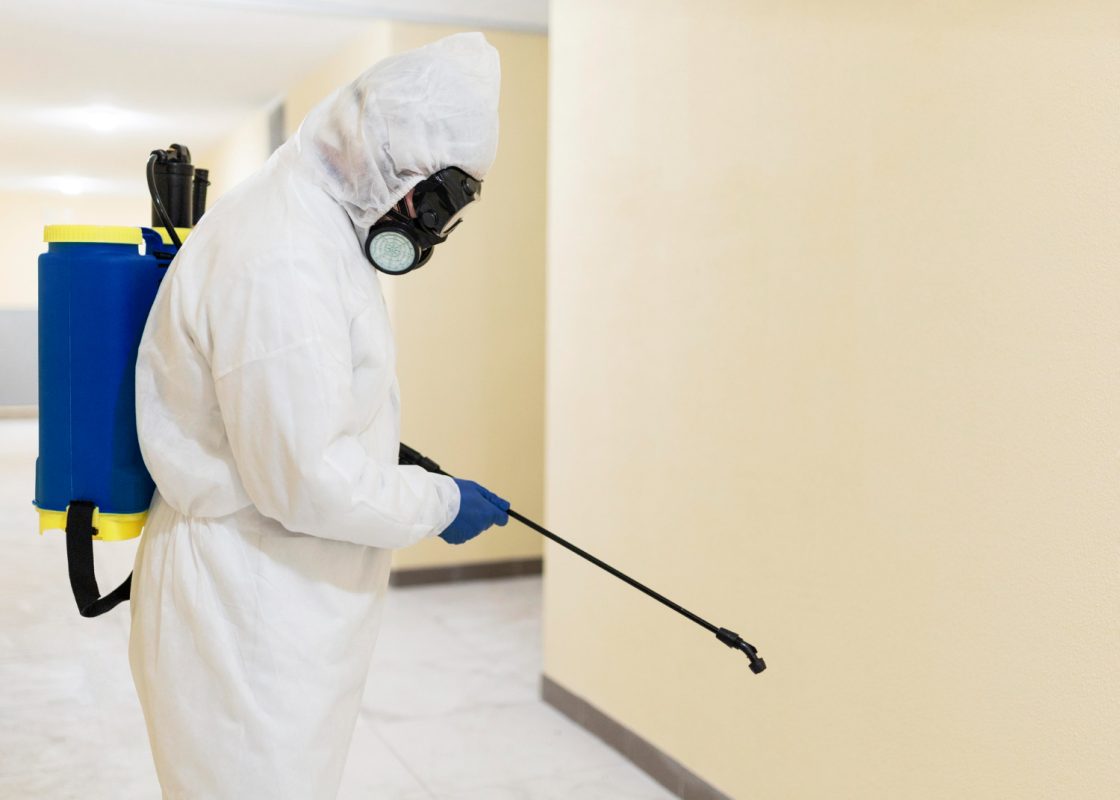
- Are your technicians trained, and do they wear protective equipment?
- Do you use products registered with the PCPB?
- Will you inspect the property before treatment?
- Can you explain the products, risks and re-entry instructions in plain language?
- What precautions do you recommend for children, pets and staff?
- Do you provide a service report and follow-up support?
- Can you share references or reviews from past clients?
A responsible provider will welcome these questions. Be cautious of anyone who refuses to name the products they use or tells you precautions are unnecessary.
Why Choose Nomacare?
Nomacare is a Nairobi-based company focused on professional fumigation and pest control services for homes and businesses. With Nomacare, you can expect:
- A careful inspection before any treatment
- Clear explanations of what will be used and how to prepare
- Safety guidance for your family, staff and pets
- Treatment planned around your schedule
- Follow-up support and prevention advice
[Add Nomacare’s real strengths here: years of experience, technician training, certifications, equipment, guarantees, clients served and areas covered in Nairobi.]
Frequently Asked Questions
Is fumigation safe for children?
It can be, when carried out by trained professionals who use approved products and when families follow the preparation and re-entry instructions. Children should stay away from the property during treatment and until the technician confirms it is safe.
Is pest control safe for pets?
Pets are more sensitive to residues, so they should be kept out of the property during and after treatment until your provider says it is safe. Always tell your technician about every pet in your home, including fish and birds.
How long should we stay out after fumigation?
It depends on the product, method and property. Your technician will give specific instructions, and you should follow them exactly.
Can we fumigate while staff are in the office?
Often it is better to schedule treatment after hours or over a weekend. Your provider can advise which treatments need the premises to be empty.
What should I do with food and utensils?
Cover, seal or remove them before treatment, as your technician advises. Wash any items that may have been exposed before using them.
Are there pet-friendly or child-friendly options?
Some treatments and products have lower risk for certain situations, but no option is risk-free without proper precautions. Discuss your household with your provider so they can choose the most suitable approach.
How often should I schedule pest control?
Many homes benefit from treatment once or twice a year, while restaurants, hotels and warehouses often need monthly or quarterly service. Nomacare can recommend a schedule for your property.