Blog
Landscape and Indoor Plant Management: Fewer Pest and Safety Problems for Your Property

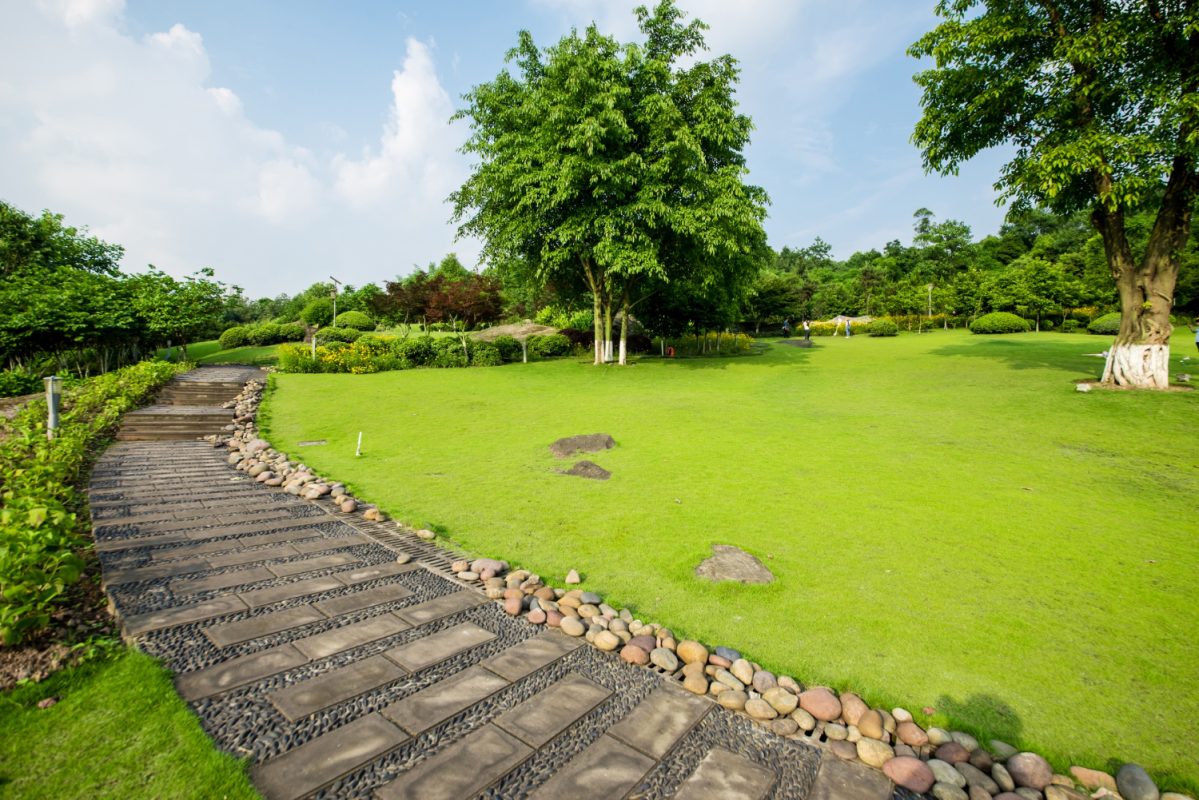
A green, well-kept compound and healthy indoor plants do wonders for a property. They make a great first impression, freshen the air, lift the mood of staff and visitors, and increase the value of your premises. But there is a flip side: neglected plants and overgrown landscapes quickly turn into homes for pests and sources of safety hazards.
That is why professional landscape and indoor plant management matters. With regular, planned care, you enjoy the beauty of greenery without the problems that come from neglect. In this article, Nomacare explains how good plant management leads to fewer pest and safety problems, and what a complete service looks like for homes, offices and commercial properties in Nairobi.
What Is Landscape and Indoor Plant Management?
Landscape and indoor plant management is the ongoing, professional care of the plants and green areas on your property. It covers both outdoor spaces and indoor greenery, and usually includes:
- Lawn care: mowing, edging, watering, feeding and weed control
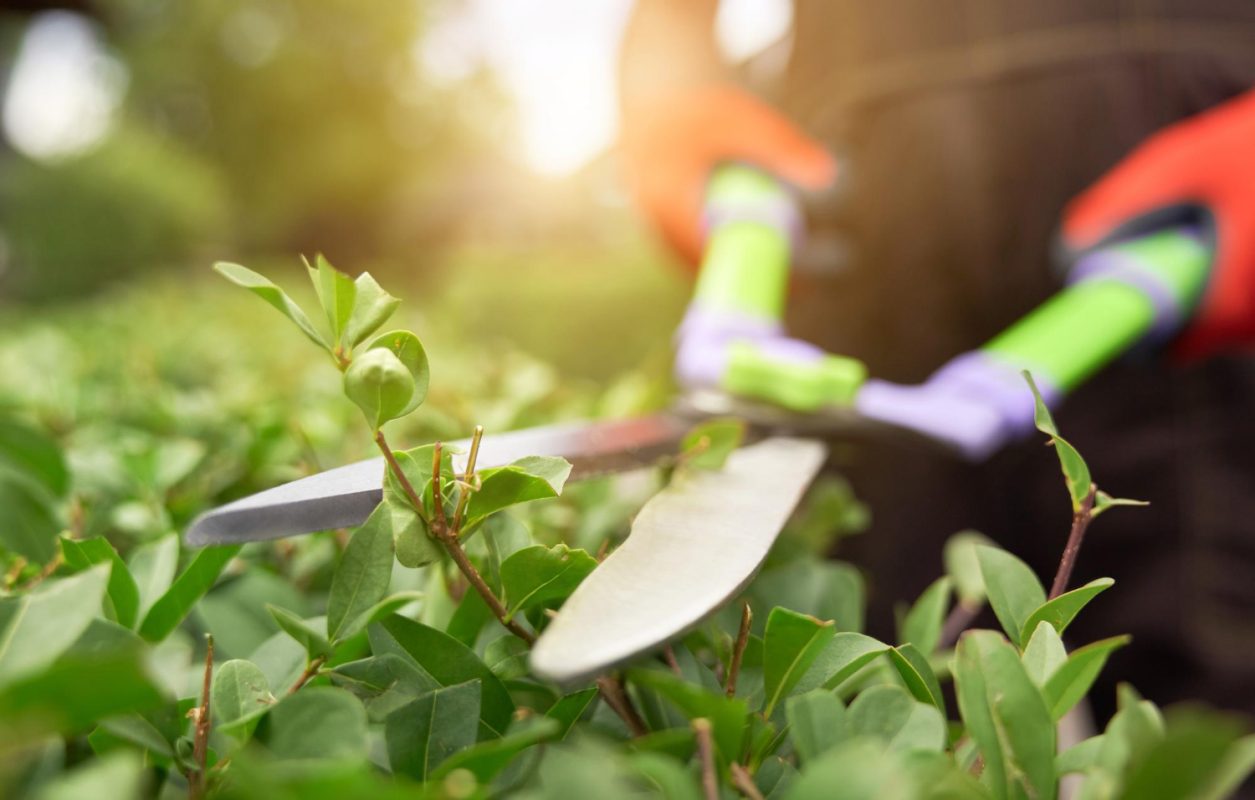
- Hedge and shrub maintenance: trimming, shaping and pruning
- Tree care: pruning, removal of dead or hazardous branches, and general health checks
- Flower bed and garden upkeep: planting, mulching, weeding and seasonal replacement
- Irrigation checks: making sure watering systems work properly and do not waste water or create puddles
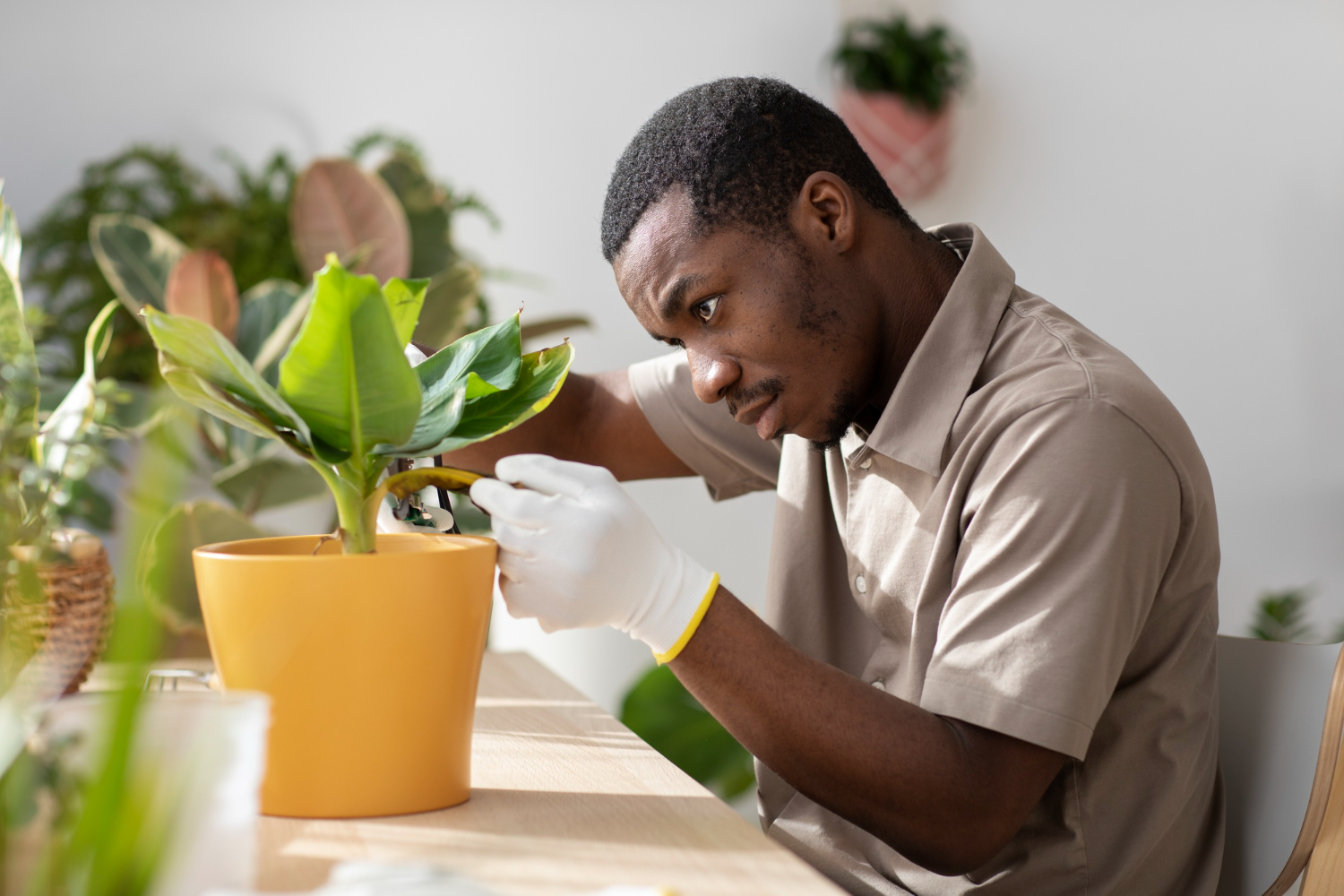
- Indoor plant care: watering schedules, light and placement checks, cleaning leaves, repotting and replacing weak plants
- Pest and disease monitoring: spotting problems early and treating them before they spread
- Waste removal: clearing cuttings, fallen leaves and plant debris
Nomacare supports clients with professional green-space care alongside its sanitary, fumigation and pest control services. [Confirm and list the exact landscape and indoor plant services Nomacare offers.]
How Poor Plant Management Creates Pest Problems
Plants themselves are not the problem. Neglect is. Here is how an unmanaged landscape or indoor planting scheme can invite pests.
1. Overgrown Vegetation Gives Pests Shelter
Thick, untrimmed hedges, tall grass and bushes touching walls give rats, snakes, cockroaches and other pests places to hide and breed. They also provide easy paths into your building.
2. Standing Water Breeds Mosquitoes
Blocked drains, over-watered flower beds, leaking irrigation, plant saucers and water-logged soil create perfect conditions for mosquitoes, which can spread illnesses. Regular inspection and good drainage reduce the risk.
3. Decaying Leaves and Plant Waste Attract Insects and Rodents
Piles of cuttings, fallen fruit and rotting leaves attract flies, ants, cockroaches and rodents. Prompt removal and proper disposal break this cycle.
4. Over-Watered Indoor Plants Attract Fungus Gnats and Mould
Indoor plants kept in constantly wet soil can develop fungus gnats, mould and root rot. These pests are annoying, and mould can affect indoor air quality. Correct watering and good drainage keep plants healthy.
5. Infested Plants Spread Problems
Common plant pests such as aphids, mealybugs, whiteflies, scale insects and spider mites can move from one plant to another, and sometimes from garden to indoor spaces. Early detection and treatment stops a small problem from becoming a big one.
6. Landscaping Too Close to Buildings
Plants, mulch and wood chips placed hard against walls can hold moisture and give termites and other pests easy access to the structure. Keeping a sensible gap and monitoring these areas helps protect the building.
How Poor Plant Management Creates Safety Problems
Beyond pests, neglected greenery can create real risks for staff, tenants, customers and visitors.
- Falling branches and unstable trees: Dead or weak branches can drop without warning, especially in wind or heavy rain. Regular tree inspection and pruning reduce the danger.
- Slips, trips and falls: Roots lifting paving, wet leaves on walkways, loose hoses and uneven edges can cause injuries.
- Blocked visibility and security risks: Overgrown hedges can hide intruders, block sightlines near gates and parking areas, and obstruct signs or CCTV cameras.
- Fire risk: Dry grass, dead plant matter and dense dry vegetation near buildings can become fuel in a fire, especially in dry seasons.
- Blocked pathways and emergency exits: Plants growing into walkways, fire exits and access routes can slow evacuation.
- Damage to structures: Roots can damage drains, pavements, boundary walls and foundations, and branches can damage roofs, gutters and power lines.
- Toxic or allergenic plants: Some plants are harmful if touched or eaten, which matters for homes with children and pets, schools and play areas. Good planning avoids placing them where people may come into contact with them.
- Unsafe chemical use: Sprays and fertilisers used carelessly can harm people, pets and beneficial insects. Professionals apply them correctly and at appropriate times.
Benefits of Professional Landscape and Indoor Plant Management
Fewer Pest Infestations
Regular trimming, clean-ups, correct watering and early detection reduce the conditions pests need to thrive. For properties that already receive pest control, this gives you stronger, longer-lasting protection.
A Safer Environment
Routine inspections catch hazards early: weak branches, uneven walkways, blocked drains and hidden corners. Fixing them in time prevents accidents and costly claims.
Healthier Plants That Last Longer
Plants that get proper light, water, feeding and pruning stay strong and look better, and you spend less replacing them.
A Better Image for Your Business
A tidy entrance, neat lawn and fresh indoor plants signal professionalism. Clients and visitors notice.
Improved Air and Atmosphere
Well-kept greenery creates a pleasant, calming environment for staff and visitors. Healthy indoor plants can also make spaces feel fresher, although they work best as part of good cleaning and ventilation rather than a replacement for them.
Savings Over Time
Planned maintenance costs less than emergency repairs, pest treatments and replacing neglected landscapes.
Indoor Plant Care Tips for Pest-Free Offices and Homes
- Water only when needed. Check the soil first. Over-watering is the most common cause of gnats and mould.
- Use pots with drainage and empty saucers so water does not stand.
- Inspect new plants before bringing them indoors, and keep them apart for a week or two if possible.
- Wipe leaves regularly to remove dust and spot pests early.
- Remove dead leaves and flowers promptly.
- Give plants the right light. Weak, stressed plants attract pests more easily.
- Avoid overcrowding. Good air movement reduces moisture and disease.
- Act quickly if you see sticky residue, webbing, spots or tiny insects on leaves.
Landscape Care Tips for Safer Outdoor Spaces
- Trim hedges and shrubs regularly and keep them away from walls, windows and roofs
- Keep lawns mowed and edges tidy
- Clear fallen leaves, fruit and cuttings frequently
- Have trees inspected, especially before the rainy season
- Fix leaking taps and irrigation lines, and make sure water drains away
- Keep walkways, entrances and emergency exits clear
- Choose suitable, low-risk plants for areas used by children and pets
- Schedule regular pest control and fumigation to complement landscaping work
A Suggested Maintenance Schedule
| Task | Suggested frequency |
|---|---|
| Lawn mowing and edging | Weekly to fortnightly, depending on season and growth |
| Hedge and shrub trimming | Monthly or as needed |
| Watering and irrigation checks | Weekly, or as per plant needs |
| Clearing leaves and plant waste | Weekly |
| Indoor plant care and leaf cleaning | Weekly to fortnightly |
| Tree inspection and pruning | Once or twice a year |
| Pest inspection and treatment | Quarterly, or as advised by your provider |
| Replacing weak plants and refreshing beds | Seasonally |
Your ideal schedule depends on the size of the property, the plants you have and the climate.
Why Choose Nomacare for Landscape and Indoor Plant Management?
Plant care and pest control work best together. When one company understands both, your property gets joined-up protection instead of separate, disconnected services. With Nomacare, you can expect:
- A professional, trained team that understands plant care and pest prevention
- A site assessment first, so the plan fits your property, plants and budget
- Regular, scheduled visits so problems are caught early
- Safe methods and products suited to homes, offices, schools and commercial premises
- Integrated services, from landscape upkeep to sanitary services, fumigation and pest control
- Clear communication and honest pricing
[Add Nomacare’s real strengths here: years of experience, team training, equipment, areas served, client types and any guarantees.]
How to Choose a Landscape and Plant Care Provider in Nairobi
Before you hire anyone, ask:
- How long have you been maintaining gardens and indoor plants in Nairobi?
- Do you inspect the property and provide a written maintenance plan?
- How do you handle pests and diseases, and which products do you use?
- Do you remove and dispose of plant waste?
- Can you handle both indoor and outdoor plants?
- What are your visit schedules, and what happens if a problem appears between visits?
- Can I see examples of past work or speak to existing clients?
Frequently Asked Questions
How often should landscaping be maintained?
Most commercial and residential properties benefit from weekly or fortnightly attention, with monthly trimming and seasonal updates. Your provider should recommend a schedule after an inspection.
Can indoor plants attract pests?
They can if they are over-watered, dusty, infested when brought in or left with dead leaves. Good care and regular inspection prevent most problems.
Are indoor plants safe for offices and homes?
Most are, but a few species can irritate skin or be harmful if eaten, which matters around children and pets. Ask your provider to choose suitable plants for your space.
Does landscape maintenance reduce the need for pest control?
It greatly reduces pest conditions, but it does not replace professional pest control. The two work best together.
Can the same company manage plants and pests?
Yes, and it is often more convenient. Nomacare offers plant care alongside sanitary services, fumigation and pest control. [Confirm before publishing.]
How much does landscape and indoor plant maintenance cost in Nairobi?
Costs depend on the size of the property, number of plants, visit frequency and services included. Contact Nomacare for a site visit and a clear quote.