Blog
Fumigation Services in Nairobi: What It Is, When You Need It and How It Works

It usually starts small: a cockroach in the kitchen, a bite on your arm in the morning, a scratching sound in the ceiling. Then it spreads. In Nairobi, where homes, offices, restaurants and warehouses are built close together, pests move quickly from one space to the next. When sprays and traps stop working, the solution is often professional fumigation.
In this guide, Nomacare explains what fumigation is, the signs that you need it, how the process works, how to prepare and how to choose a fumigation company in Nairobi you can trust.
What Is Fumigation?
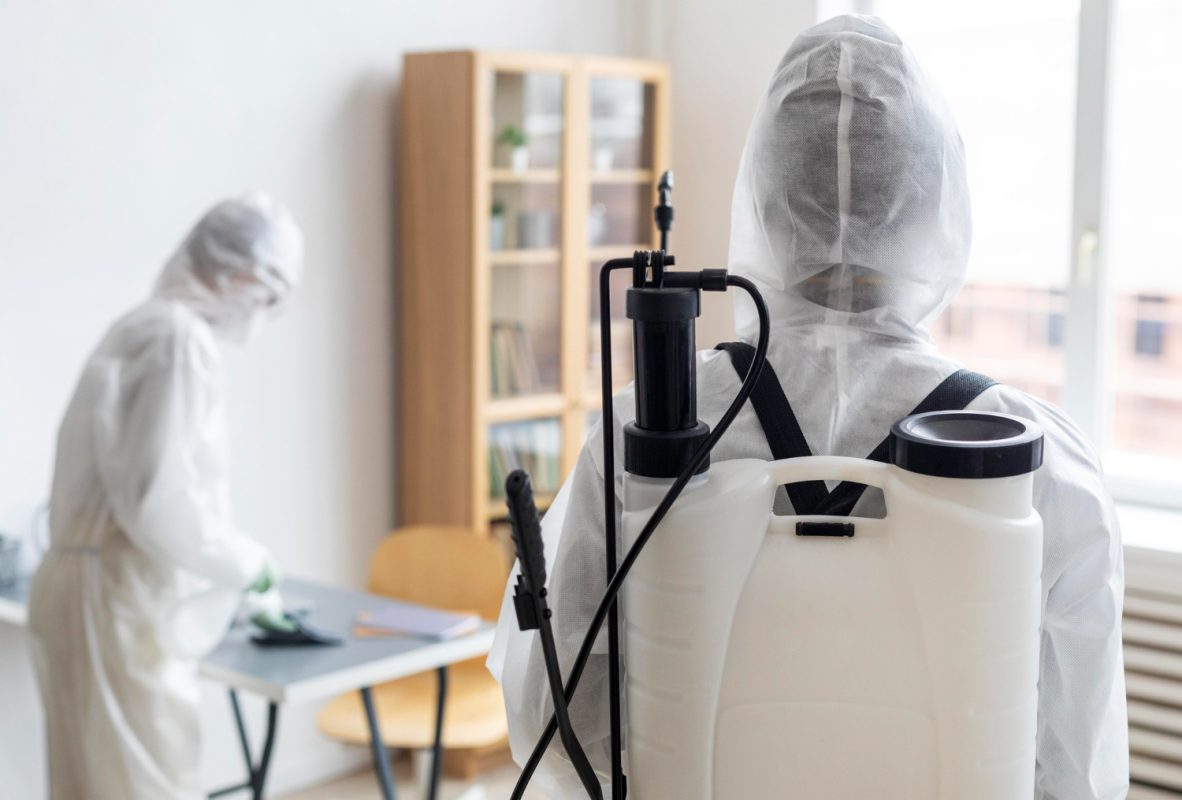
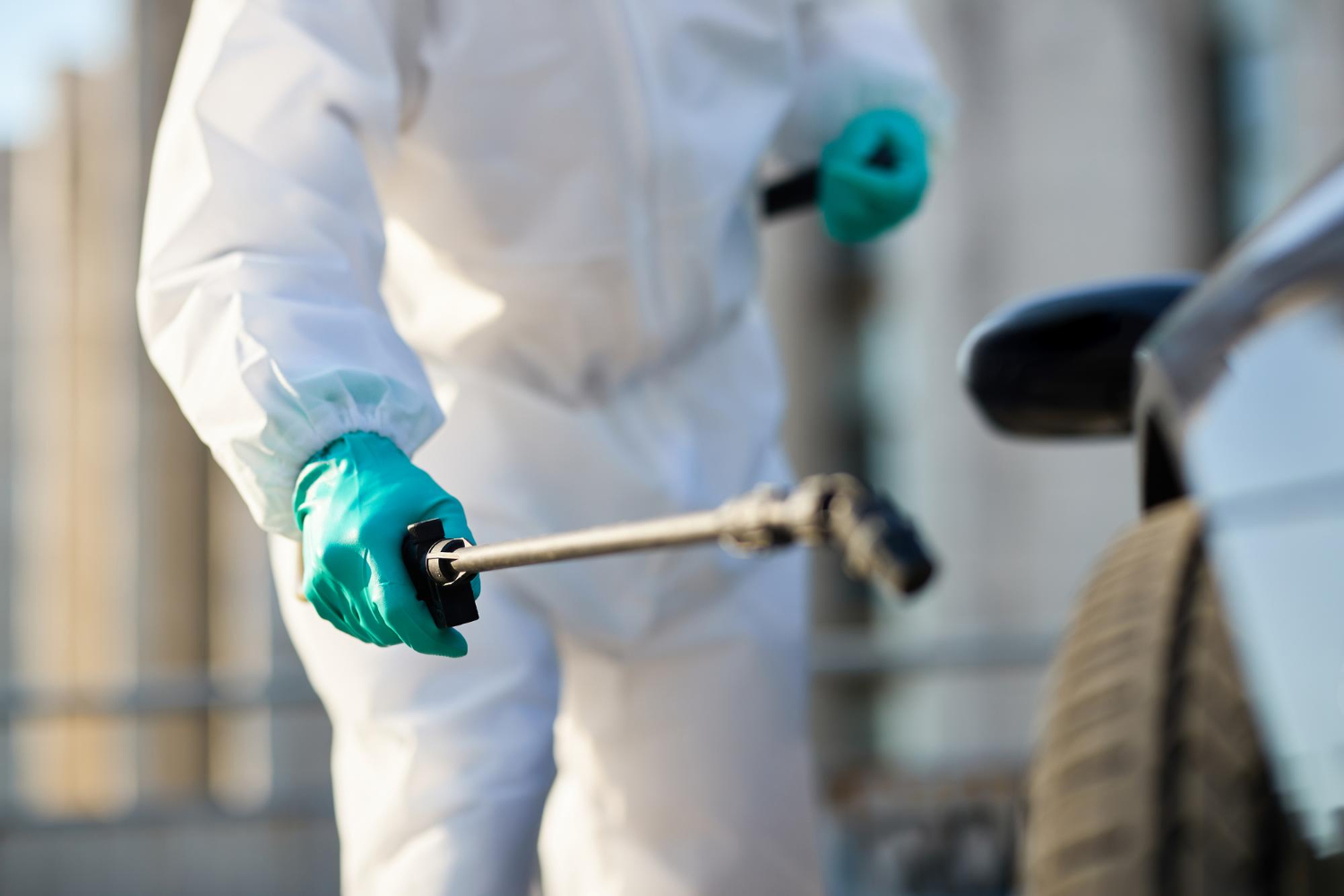
Fumigation is a thorough pest control treatment that uses approved chemicals, applied as a gas, fog, mist or targeted spray, to reach pests wherever they hide. Unlike a surface spray, fumigation penetrates cracks, wall voids, ceilings, furniture, drains and other tight spaces where insects and rodents nest and breed.
It is a powerful tool, which is why it should be handled by trained professionals. Nomacare provides fumigation services for homes, offices, hotels, restaurants, schools and commercial premises in Nairobi. [Add Nomacare’s exact fumigation services and treatment types here.]
Fumigation vs. Regular Pest Control: What’s the Difference?
Pest control is the broad term for any method of managing pests, such as baiting, trapping, sealing entry points and spot spraying. Fumigation is a deeper, wider treatment for serious or hidden infestations.
- Spot treatment: best for small, visible problems in a limited area
- Fumigation: best for heavy infestations, hidden nests and whole-property treatment
- Scheduled pest control: best for ongoing prevention after the initial treatment
A professional will recommend the right approach after inspecting your property, and many clients benefit from combining fumigation with regular maintenance visits.
8 Signs You Need Fumigation Services
- Cockroaches appear in daylight or in large numbers, which usually means a big hidden population
- Bed bug bites or small dark spots and shed skins on mattresses and bed frames
- Droppings, gnaw marks or scratching noises from rats and mice
- Termite signs, such as mud tubes, hollow-sounding wood or fine wood dust
- Ants, fleas or flies keep returning despite cleaning and DIY sprays
- A musty or unusual smell from areas where pests nest
- Pests after moving into a new home or rental
- Failed DIY attempts, where pests disappear briefly and then come back
If you notice any of these, early treatment protects your health and prevents costly damage.
Pests That Fumigation Targets in Nairobi
- Cockroaches: common in kitchens, drains and apartment blocks
- Bed bugs: found in homes, hostels, hotels and short-stay rentals
- Termites: a serious risk to timber, roofing, doors and furniture
- Rats and mice: damage wiring, food stores and insulation
- Ants, fleas and ticks
- Flies and mosquitoes
- Moths and stored-product pests in grain, food stores and warehouses
Benefits of Professional Fumigation
Reaches Hidden Infestations
Pests spend most of their time out of sight. Fumigation gets into the cracks, voids and hidden spaces that normal sprays cannot reach, so the colony is treated, not just the few insects you can see.
Protects Your Health
Cockroaches, rodents, flies and other pests can spread germs, trigger allergies and asthma and contaminate food. Fumigation reduces these risks and creates a healthier home or workplace.
Saves Money in the Long Run
Repeated DIY purchases and recurring infestations add up. A thorough professional treatment is often cheaper than months of failed attempts, not to mention the cost of damaged property.
Protects Property and Stock
Termites and rodents can ruin timber, wiring, furniture, documents and stored goods. Fumigation helps protect your investment.
Protects Your Business Reputation
For restaurants, hotels, schools and shops, a pest sighting can cost customers and lead to inspection problems. Regular fumigation helps you maintain high hygiene standards.
Gives You Peace of Mind
Knowing the problem has been handled properly lets you sleep, cook and work without worry.
How the Fumigation Process Works
Here is how Nomacare approaches a typical fumigation job:
- Inspection: We examine the property, identify the pest and find where it is breeding and entering.
- Treatment plan and quote: We recommend the right method and give you a clear quotation.
- Preparation guidance: We explain what to cover, remove or move before treatment.
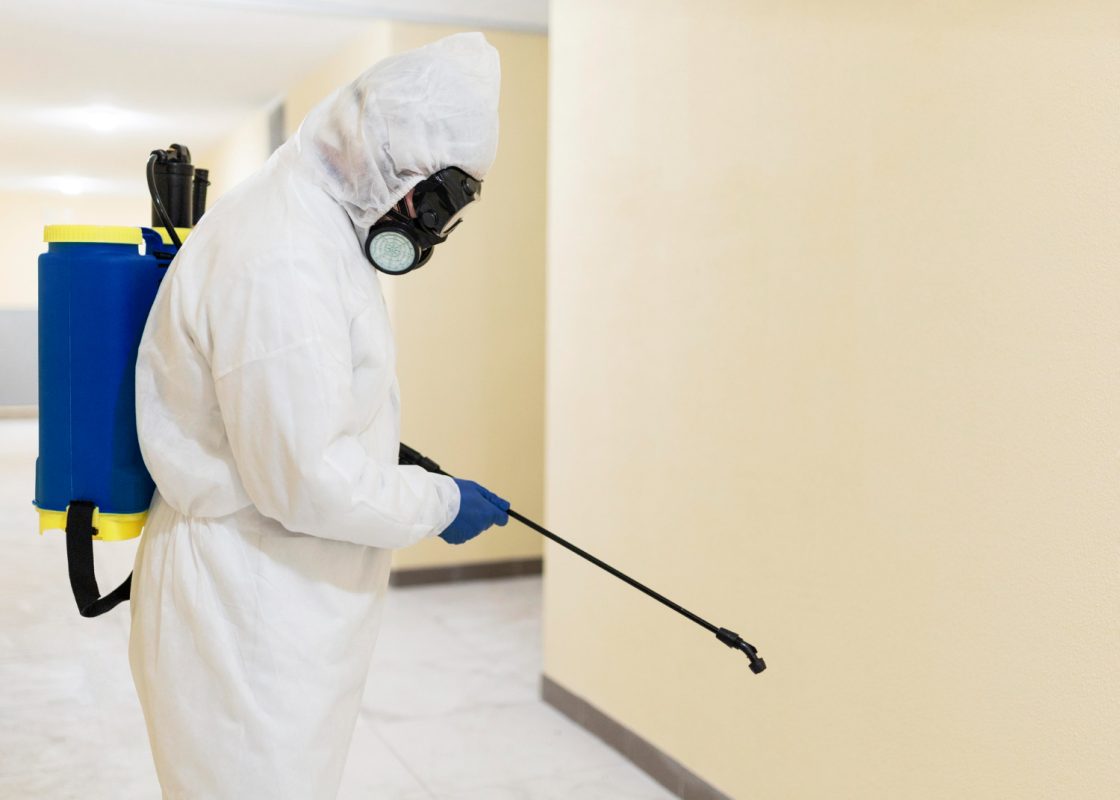
- Treatment: Trained technicians apply approved products using professional equipment, covering all affected areas.
- Waiting and ventilation period: The property is left closed for the recommended time, then ventilated before you re-enter.
- Advice and follow-up: We share prevention tips and, where needed, follow-up visits. [Confirm your follow-up or warranty policy.]
How to Prepare Your Property for Fumigation
- Cover or remove food, utensils, cooking items and water storage
- Remove pets, fish tanks and indoor plants from the property
- Keep children, the elderly and anyone with breathing problems away during treatment
- Take out or cover baby items, medicines and sensitive items
- Open cupboards, wardrobes and drawers so treatment reaches inside
- Strip beds and bag clothing and linen if you have bed bugs, following your technician’s advice
- Follow all instructions on how long to stay away and how to ventilate afterwards
Is Fumigation Safe?
When done properly, yes. The risk comes from wrong products, wrong doses and poor safety practice, which are more common in DIY and unregulated work. In Kenya, pest control products are regulated by the Pest Control Products Board (PCPB). A professional company should use approved products, wear proper protective equipment and give you clear safety instructions. [Add details of Nomacare’s registered products, trained technicians and safety procedures.]
How Often Should You Fumigate?
- Homes and apartments: once or twice a year, or whenever you notice an infestation
- Restaurants, hotels and food businesses: monthly or quarterly
- Offices, schools and clinics: quarterly or twice a year
- Warehouses and stores: every one to three months, depending on stock and risk
Nomacare can recommend the best schedule for your property. [Confirm whether you offer maintenance contracts.]
How Much Does Fumigation Cost in Nairobi?
Prices vary widely, so be careful with quotes that seem too good to be true. The main factors are:
- The size of the property and number of rooms
- The type of pest and how severe the infestation is
- The treatment method and products used
- Whether follow-up visits are included
- Access and any special requirements
The best way to get an accurate price is an inspection followed by a written quote. Contact Nomacare to arrange one.
How to Choose a Fumigation Company in Nairobi
Before hiring, ask these questions:
- How long have you been providing fumigation services in Nairobi?
- Do you use PCPB-registered products, and are your technicians trained?
- Will you inspect the property before quoting?
- What safety instructions will I receive?
- Do you offer follow-up visits or a guarantee?
- Can you share reviews or references?
A confident, experienced company like Nomacare will answer these openly.
Why Choose Nomacare for Fumigation Services in Nairobi?
- Experienced professionals: [Add years of experience and team background.]
- Inspection first: we treat the actual problem, not a guess
- Safe, approved methods: [Add PCPB-registered products and safety measures.]
- Solutions for every property: homes, offices, hotels, restaurants, schools and warehouses
- Clear, honest pricing: quotes that explain what is included
- Respectful, punctual service: we value your time and your property
- Follow-up support: [Add warranty or follow-up policy.]
At Nomacare, our promise is simple: a cleaner, safer, pest-free space for you and the people who matter to you.
Keeping Pests Away After Fumigation
- Store food in sealed containers and clean up crumbs and spills quickly
- Fix leaking taps and pipes, because moisture attracts pests
- Seal cracks, gaps and holes around doors, windows and pipes
- Take out rubbish regularly and keep bins closed
- Declutter storage areas, which can shelter pests
- Schedule routine inspections or maintenance visits