

Blog
Why Routine Pest Control is a Non-Negotiable for Modern Institutions

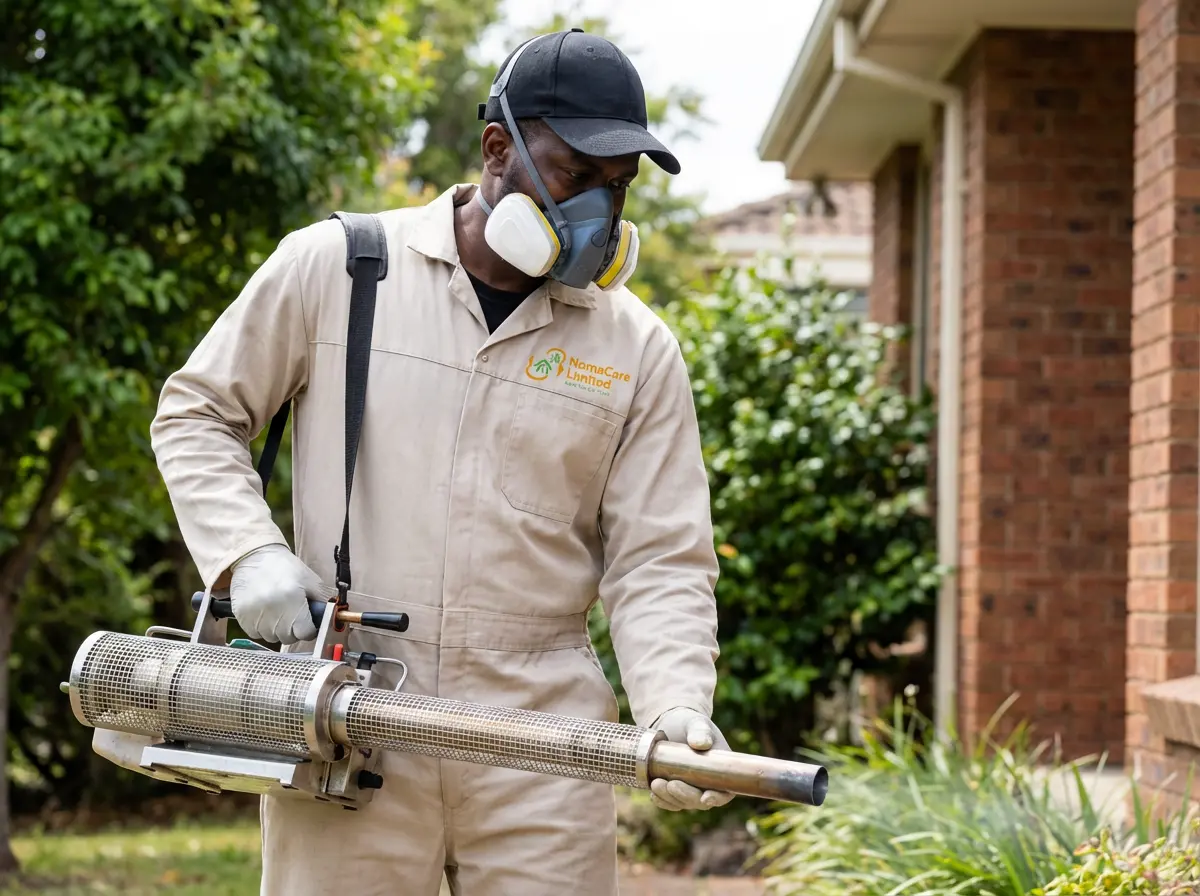
When facility managers think about operational priorities, pest control often gets relegated to the bottom of the list—until there’s a crisis. Noma Care Limited brings a different perspective as a reliable and reputable expert in Fumigation & Pest Control Solutions. Across Nairobi and Kenya, forward-thinking institutions recognize that proactive pest management isn’t optional—it’s a critical component of facility management that protects health, preserves assets, and safeguards reputations.
The Severe Implications: Why Pests Are a Critical Risk
The presence of pests in institutional settings carries consequences far more serious than the discomfort of an unwanted sighting. Rodents and cockroaches are documented vectors for dangerous pathogens including salmonella, E. coli, and leptospirosis. In schools, a single outbreak traced to pest contamination can trigger closure orders and lasting damage to enrollment. In hospitals and clinics, pest-related infections compromise already vulnerable patient populations and invite regulatory sanctions.
Beyond disease transmission, the physical damage pests inflict represents massive financial risk. Termites silently compromise structural integrity, potentially causing millions of shillings in repair costs that insurance may not fully cover. Rodents gnaw through electrical wiring, creating fire hazards and equipment failures. Stored materials—from documents to medical supplies—face contamination and destruction.
Perhaps most devastating is reputational damage. In today’s social media environment, a single pest sighting photographed and shared online can undo years of trust-building. For schools, it means anxious parents seeking alternatives. For medical facilities, it raises fundamental questions about overall hygiene standards. For corporations, it signals to clients and employees that management doesn’t prioritize their well-being.
Reactive Emergency Response vs. Strategic Prevention
Too many institutions approach pest control reactively—calling for emergency fumigation services providers only after an infestation becomes visible. This approach guarantees the worst possible outcomes: maximum damage has already occurred, health risks have been present for weeks or months, and emergency response costs far exceed preventive maintenance.
Commercial pest control Solutions : institutions need should operate on a fundamentally different model. Routine, scheduled pest management creates a protective barrier before problems develop. It’s the difference between treating a medical emergency and preventing illness through regular check-ups. Strategic prevention costs a fraction of crisis management while delivering exponentially better results.
Health & Safety First: The Non-Negotiable Priority
For educational institutions, routine fumigation services represent a fundamental duty of care. Pest control for schools in Kenya administrators must prioritize because children are particularly vulnerable to pest-related health hazards. Young immune systems face greater risk from pathogens, while allergens from cockroach droppings and dust mites trigger asthma and respiratory distress.
Fumigation services for hospitals and medical facilities carry even higher stakes. In environments where patients with compromised immune systems receive care, pest-borne pathogens can be life-threatening. Operating rooms, patient wards, pharmacies, and food service areas must maintain absolute freedom from pest contamination. Routine professional pest management isn’t just advisable—it’s a medical necessity.
In corporate settings across Nairobi, pest presence directly impacts employee health and productivity. Staff exposed to pest allergens experience increased sick days. The psychological stress of working in pest-affected environments diminishes concentration and morale. Preventive pest control Kenya businesses implement isn’t an amenity—it’s an essential element of occupational health and safety.
Asset & Infrastructure Protection: Saving Millions
While health risks grab immediate attention, the financial protection routine pest control provides is equally compelling. Termite control services in Nairobi Kenya property managers invest in deliver extraordinary return on investment by preventing catastrophic structural damage. Consider that a single undetected termite colony can compromise building foundations, requiring repairs costing millions of shillings.
Regular termite and rodent inspections identify vulnerabilities before they become disasters. Rodents chewing through data cables can halt business operations. Insects infesting stored inventory create total losses. In educational settings, damage to books, documents, and learning materials represents both financial loss and operational disruption.
The cost-benefit calculation is stark: routine pest management represents a modest, predictable operational expense. Emergency repairs and pest-related damage represent budget-destroying crises. Smart facility managers recognize that preventive pest control Kenya institutions implement isn’t a cost—it’s insurance against far larger expenses.
Compliance & Audit Readiness: Meeting Mandatory Standards
Kenyan public health regulations mandate specific pest control standards, particularly for facilities handling food or providing healthcare. Cafeterias and kitchens in schools, hospitals, and corporate offices must demonstrate active pest management programs during health inspections. Medical storage facilities holding pharmaceuticals and supplies face similar requirements.
A reliable fumigation company provides more than just service—they deliver the documentation institutional managers need for regulatory compliance. Detailed service reports, treatment schedules, and inspection findings create an audit trail proving due diligence. When health inspectors arrive, facilities with routine pest management programs demonstrate professional facility management and regulatory awareness.
Lack of documented pest control programs can trigger citations, fines, or in severe cases, operational restrictions. For medical facilities, pest-related compliance failures jeopardize accreditation. For schools, they invite Ministry of Education scrutiny. The compliance value of routine pest management extends far beyond the actual service—it’s evidence of institutional commitment to health and safety standards.
Peace of Mind & Productivity: The Psychological Advantage
Beyond measurable health and financial benefits, professional pest control creates an intangible but invaluable asset: peace of mind. Students learn more effectively in environments free from health anxieties and distractions. Hospital patients heal better without the stress of pest sightings. Employees demonstrate higher engagement and productivity when they trust their workplace prioritizes their comfort and safety.
For facility managers and administrators, routine pest management eliminates the constant background worry about potential infestations. Instead of wondering if pests might be breeding in hidden areas, you have professional confirmation that protective measures are actively maintained. This psychological benefit—for occupants and management alike—represents real operational value that emergency-response approaches can never deliver.
The Noma Care Approach: Science-Backed Solutions
What makes Noma Care pest control services distinctly effective? We employ Integrated Pest Management (IPM) strategies that combine inspection, prevention, and targeted treatment. Rather than indiscriminate spraying, our certified technicians identify specific pest pressures, entry points, and conducive conditions unique to your facility.
Our approach prioritizes safety alongside effectiveness. We use Registered pesticides appropriate for institutional settings, with particular attention to child-safe formulations for schools and non-toxic options for medical facilities. Treatment timing works around your operational schedule, and our technicians understand the importance of minimal disruption in sensitive environments.
Every service includes detailed reporting that documents findings, treatments applied, and recommendations for environmental modifications that reduce pest attraction. Facility managers receive actionable intelligence, not just a completed service ticket. This transparency builds confidence and provides the compliance documentation your institution needs.
Smart Investment, Lasting Protection
Routine fumigation and pest control isn’t an expense to minimize—it’s a strategic investment that delivers measurable returns through prevented health incidents, protected infrastructure, regulatory compliance, and enhanced institutional reputation. The difference between reactive emergency response and proactive pest management is the difference between crisis management and professional facility stewardship.
Noma Care Limited helps Nairobi and Kenyan institutions shift from reactive to strategic pest management. Our routine service programs provide the comprehensive protection modern schools, hospitals, and corporations require.
Is your facility truly protected, or are you waiting for a pest crisis to force action? Contact Noma Care Limited today to schedule a free facility pest risk assessment. Let our certified technicians evaluate your current vulnerabilities and design a customized routine pest management program that delivers lasting peace of mind.
Get in touch via: